Why Is B2B E-Commerce Different from B2C?
B2B customers generally have different pricing, payment, credit limit and ordering terms from standard retail customers.
A conventional e-commerce system may therefore be unable to support every aspect of B2B operations.
Customer-Specific Pricing
A B2B system can define different price lists, discount rates and promotions for each dealer or customer.
ERP Integration
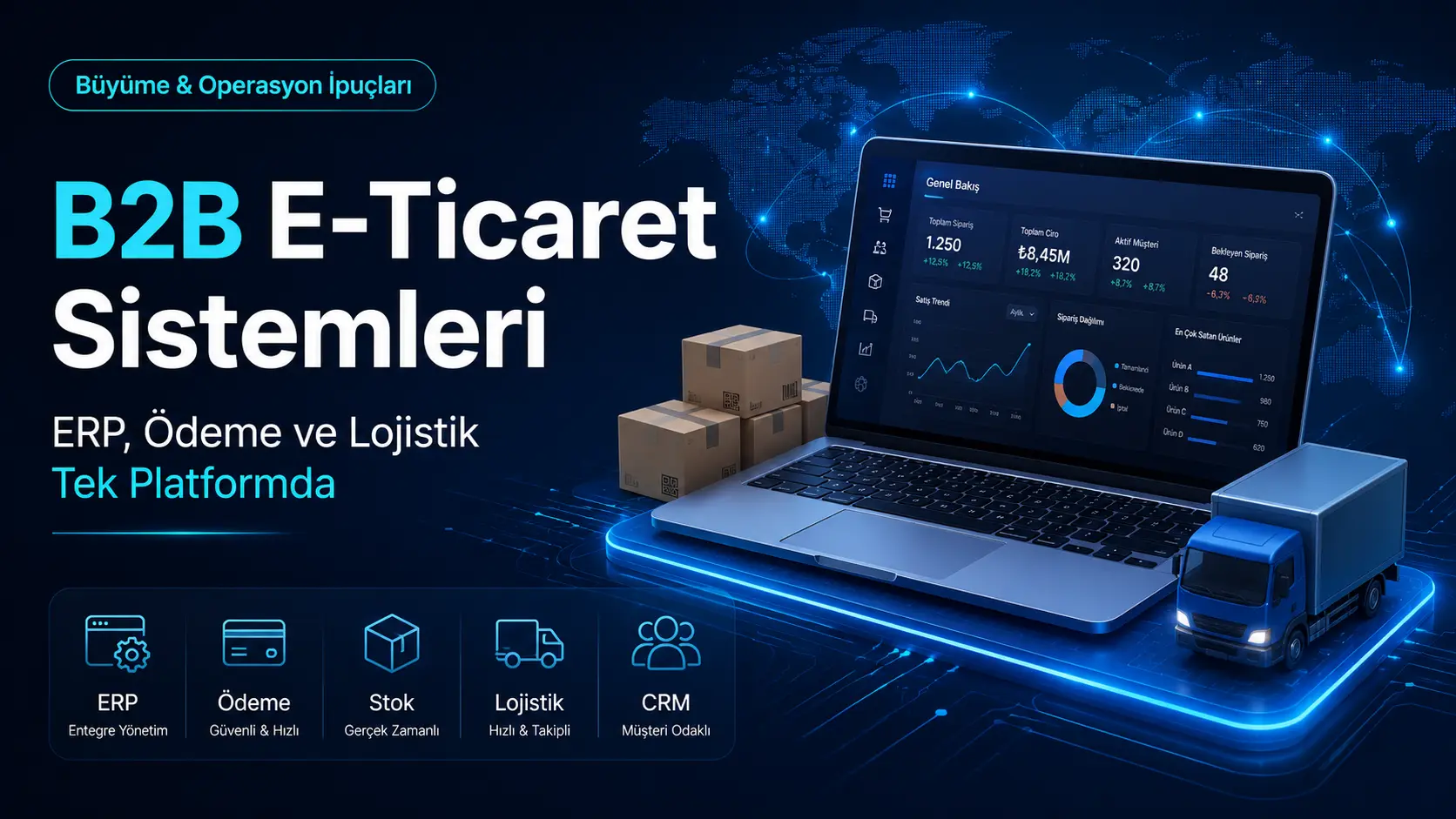
With two-way integration between the online platform and ERP, product, stock, price and order information can be transferred without manual data entry.
Example flow:
ERP → API → B2B Platform → Order → API → ERP
Payment Systems
In addition to credit cards, B2B customers may use payment on account, bank transfers, deferred payment or other terms set by the company.
Connecting payment infrastructure with CRM and ERP helps businesses track their financial processes more reliably.
Logistics Integration
After an order is placed, the platform can connect to the carrier's or logistics provider's API. Shipment numbers and delivery status can be shared with the customer automatically.
CRM Integration
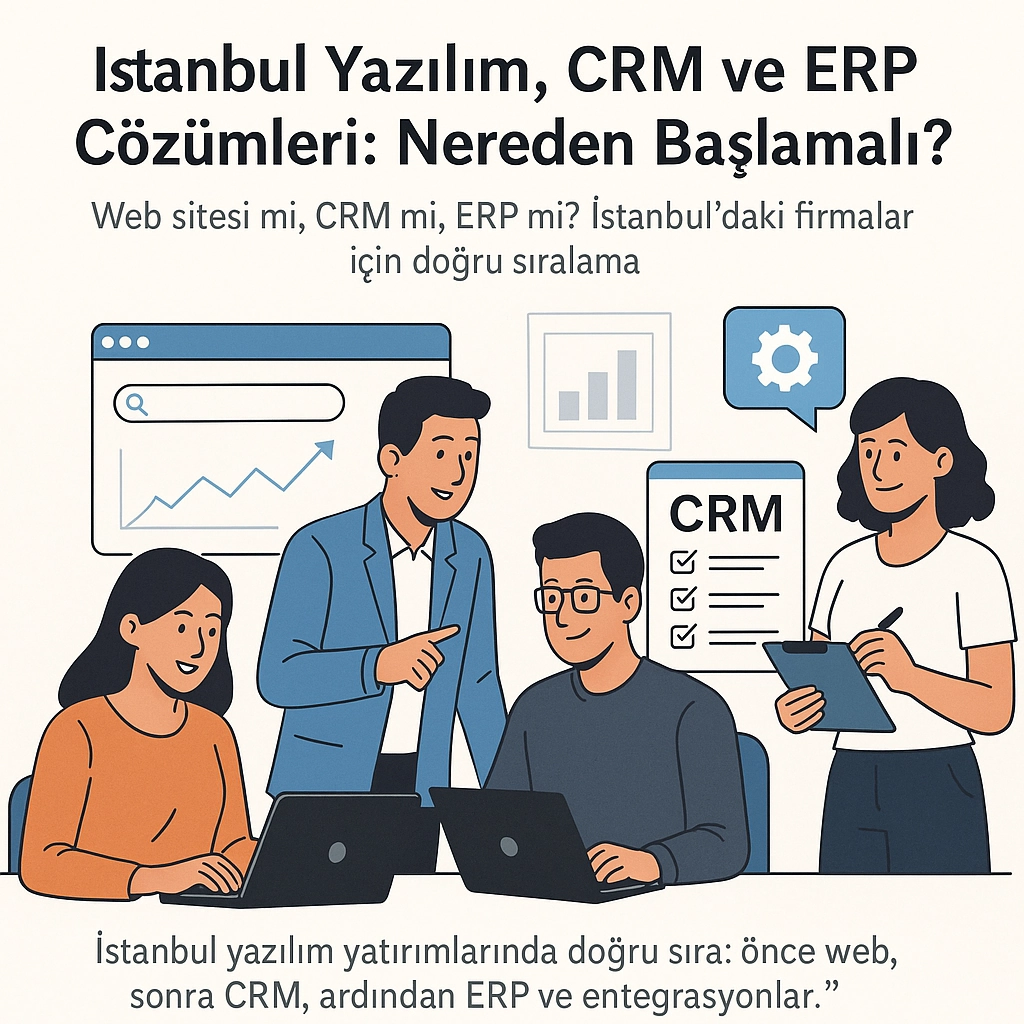
Customers' ordering behaviour on the platform can become part of a customer history in CRM that is accessible to sales teams.
Business Intelligence
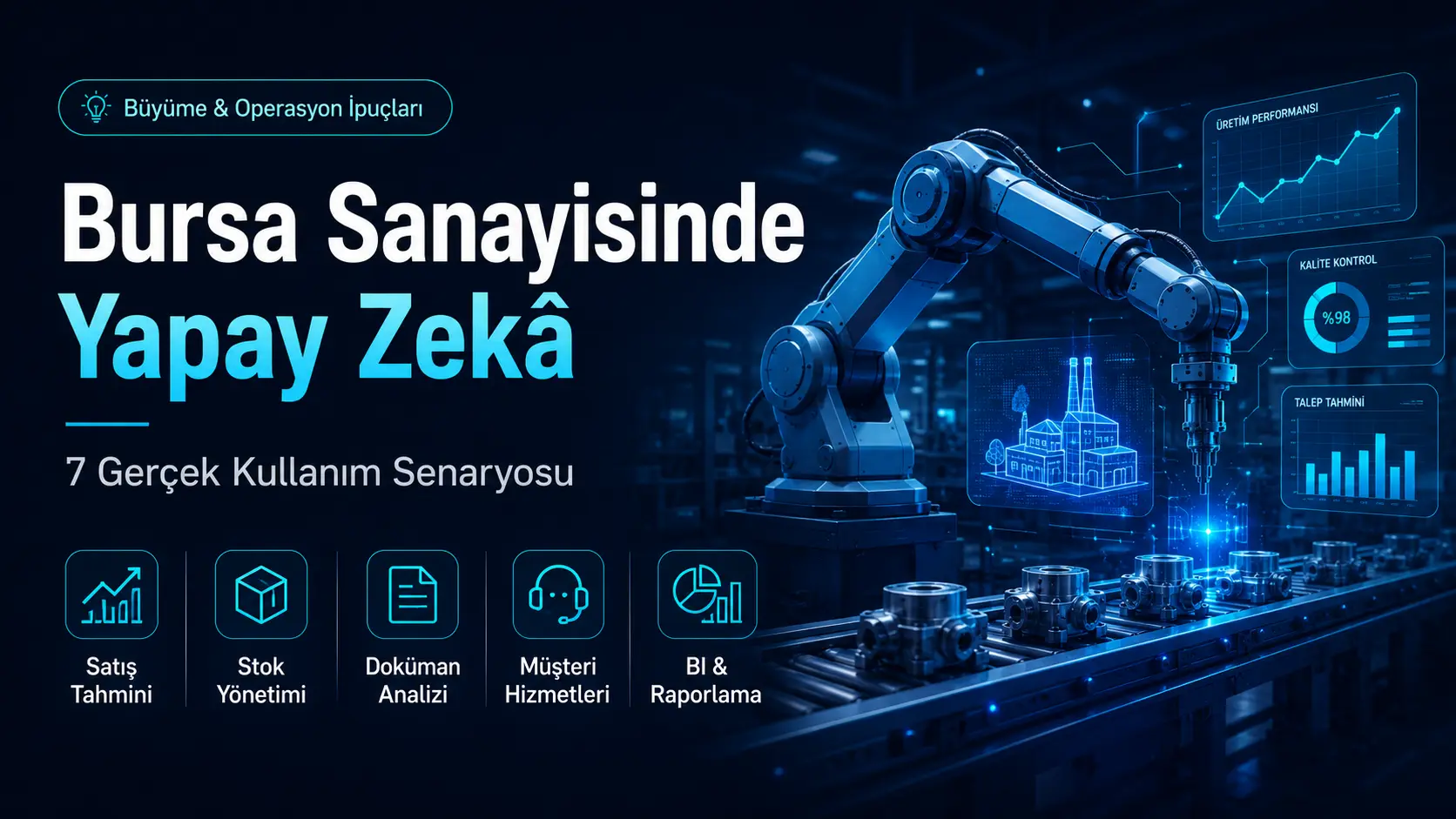
Once B2B sales data is centralised, Power BI or similar BI tools can be used to analyse sales, products, customers and profitability.
Mitrotech B2B Solutions
Mitrotech can develop custom B2B platforms, API services, payment integrations, logistics integrations and management dashboards that work with existing ERP systems.