What Is a Digital Product Passport?
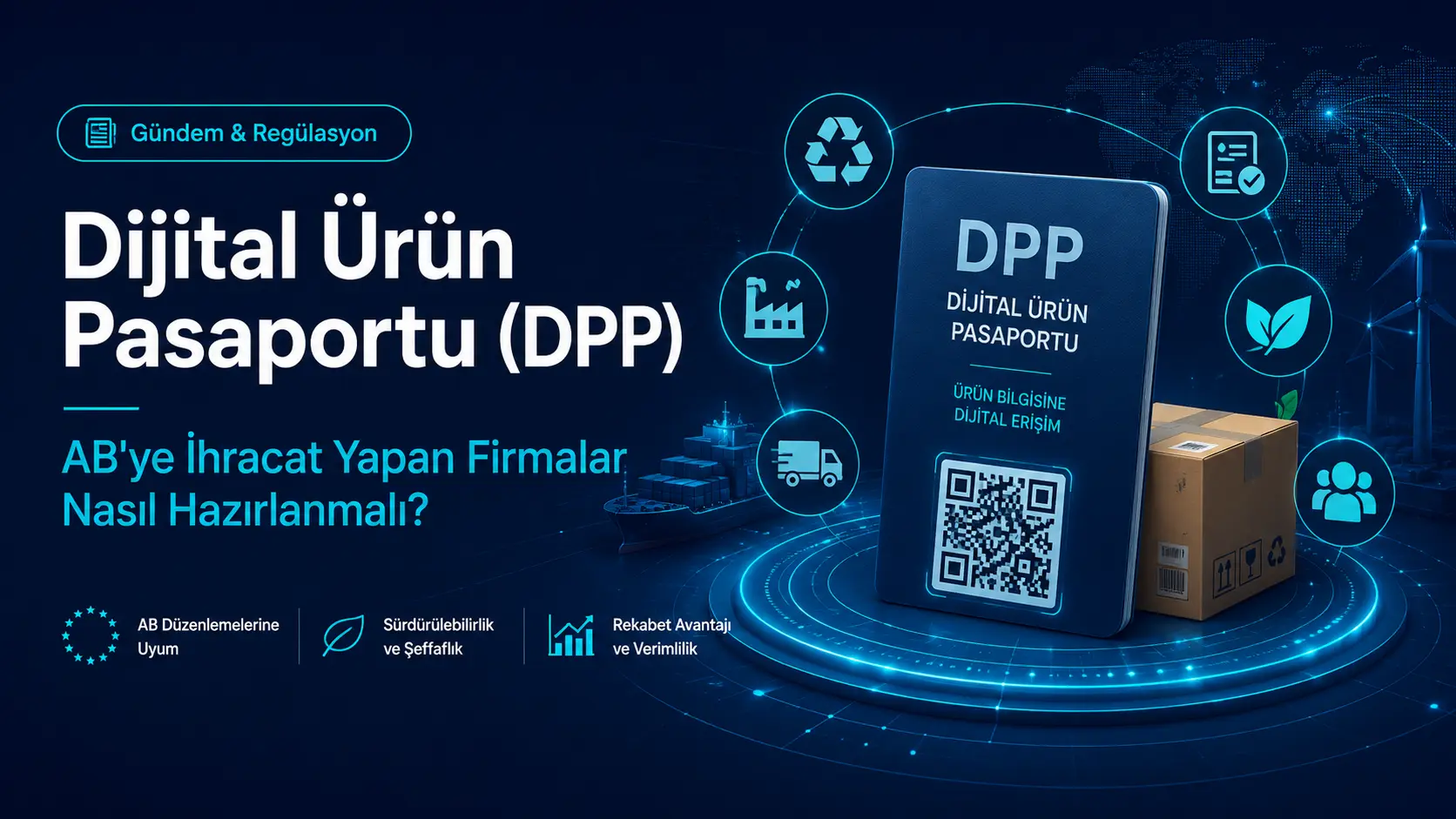
The Digital Product Passport (DPP) is an EU infrastructure designed to make important product information digitally accessible and shareable throughout a product's life cycle.
DPP enables the digital management of product identity, technical information, sustainability data and other information that may be required by legislation.
The DPP Registry Is Now Live
The European Commission launched the Digital Product Passport Registry, together with its testing environment, on 20 July 2026.
DPP data does not have to be held in a central product database. However, economic operators will need to register the relevant Digital Product Passports in the Registry.
When Does the First Requirement Take Effect?
The Digital Product Passport requirement for certain categories of large batteries is scheduled to take effect on 18 February 2027.
Electric vehicle batteries, light means of transport batteries and certain industrial batteries are among the first categories covered.
DPP Goes Beyond a QR Code Project
Although QR codes are often the first thing associated with DPP, the main technical challenge is managing product data correctly.
An example architecture could look like this:
ERP → Product Database → API → DPP Service → QR / Data Carrier → Product Passport
A QR code is simply one of the data carriers that allows users to access the correct product information.
Why Is ERP Integration Important?
Much of the data manufacturers may need already exists in ERP, PLM, production, quality or product management systems.
It may therefore be possible to transfer the required information from existing sources to a central DPP data layer through API integrations, instead of creating a separate data system from scratch.
Data That Can Be Managed for DPP
- Product and model identifiers
- Manufacturer information
- Serial or batch information
- Material information
- Technical documents
- Certificates
- Maintenance and usage information
- Recycling and end-of-life information
Why Does This Matter for Manufacturers in Bursa?
Manufacturers in the automotive, machinery, textile and metal sectors that do business with the European Union should closely follow DPP regulations.
As DPP requirements will be introduced in stages for the relevant product groups, analysing existing product data, ERP systems and integration capabilities now can provide valuable preparation.
Mitrotech DPP Integration Infrastructure
Mitrotech can develop API-based solutions that integrate with existing ERP and business systems without requiring those systems to be replaced.
- ERP integration
- Product data platform
- REST API development
- QR-based product pages
- Cloud database infrastructure
- Authorisation and data access layers
- Preparation for DPP Registry integration