Tips Dec 08 2025
How to prepare for an Istanbul ERP project to control production, stock and costs?
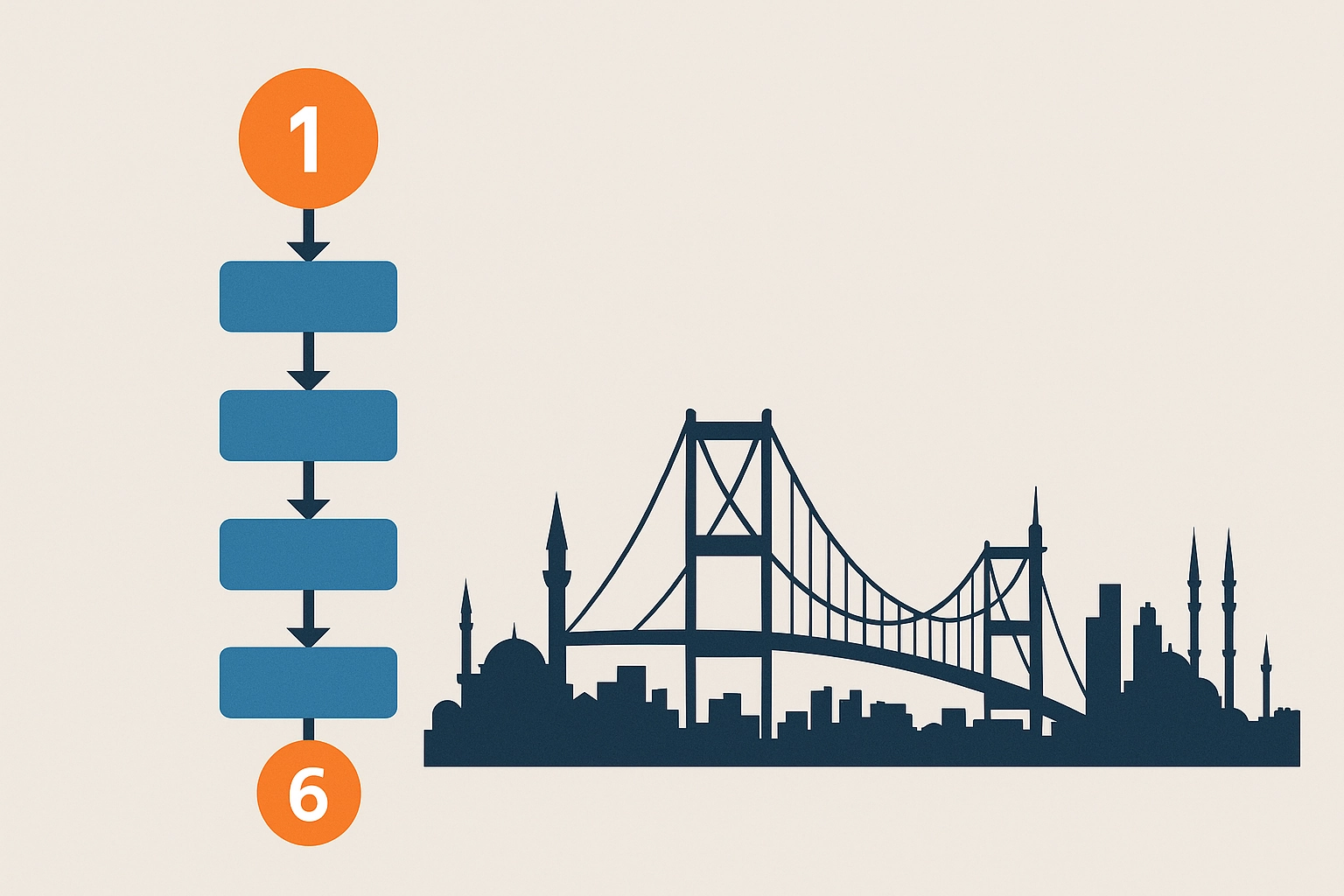
A six-step practical roadmap for ERP selection and go-live for manufacturing, logistics and distribution companies in Istanbul.
“The way to reduce risk in Istanbul ERP projects is to split the scope into phases and map the processes in advance.”
Why Does an ERP Project in Istanbul Feel So Difficult?
When people in Istanbul hear “ERP”, they often think of long project timelines,
unexpected costs and unused modules.
With a clear roadmap, however, ERP can become a powerful lever for stock and cost control.
1. Map Your Current Processes
The first step is to understand how work really flows in your facility and office in Istanbul:
-
Draw the chain from quotation → order → production/service → shipment/delivery step by step.
- Document stock in/out, stock counting and scrap processes.
- Clarify your costing methods (standard vs. actual costing).
Without this groundwork, no ERP system will truly fit your organisation in the long run.
2. Prioritise Modules Phase by Phase
Instead of activating all modules at once, split your Istanbul ERP project into phases:
- Phase 1: Sales, purchasing, inventory, basic accounting integration.
- Phase 2: Production or service planning, work orders, capacity management.
- Phase 3: Maintenance, quality, advanced reporting and BI.
Setting clear start and end criteria for each phase reduces project fatigue.
3. Design Roles for Your Team Structure in Istanbul
-
Define separate roles and permissions for planning, warehouse, production/service,
finance and sales.
-
Simplify screens by role so people only see the fields that matter for their job.
-
Prepare key reports (daily production/service, stock differences, order status) inside ERP.
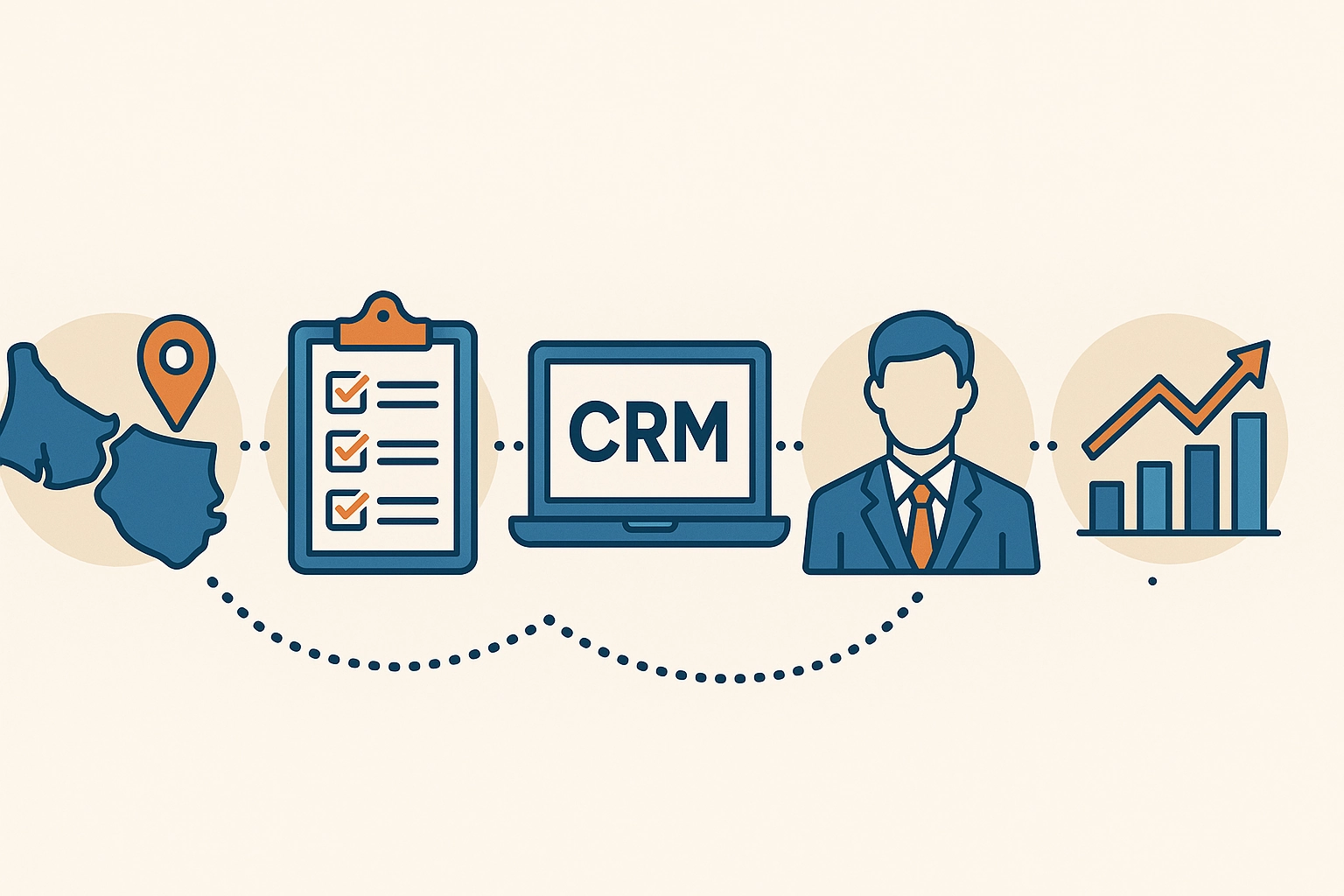
4. Plan ERP – CRM – E-Commerce Integration Early
For companies in Istanbul that work with both physical and online channels, ERP alone is not enough.
-
CRM integration: Transfer quotations and orders from CRM to ERP automatically.
-
B2B e-commerce integration: Feed stock and price information from ERP.
-
Reporting: Consolidate ERP data in a single data warehouse or analytics layer.
5. Test Environment and Pilot Implementation
Before going live, reduce risk through testing and a pilot:
- Set up a test environment using a copy of real data from Istanbul operations.
-
Run a pilot with a selected product/service group and customer segment
from quotation to invoicing.
- Record errors and gaps and update your process diagrams accordingly.
6. Training, Documentation and Continuous Improvement
Successful ERP projects in Istanbul all share one pattern: the process is actively owned
after go-live.
- Create short, role-based trainings and simple video guides.
- Plan weekly improvement meetings for the first 3 months after go-live.
-
Collect new needs as change requests and prioritise them instead of doing everything at once.
Conclusion: Move Carefully Through Your Istanbul ERP Project
Instead of treating ERP as one big project, turn it into a roadmap with
phased, measurable gains. This significantly reduces risk for manufacturing,
logistics and service companies in Istanbul.
If you are about to start an ERP project, we can run process mapping and scoping together and
plan the first steps with a low-risk approach.