Tips Dec 08 2025
One version of the truth on a single screen: Bursa projects where sales, stock and collections meet
Key points to consider when integrating CRM and ERP in order to bring field, warehouse and finance teams in Bursa together on the same data.
“Companies in Bursa that make CRM and ERP talk to each other bring sales, warehouse and finance teams onto the same reality.”
Why Is CRM + ERP Integration Essential in Bursa?
In many companies in Bursa, CRM and ERP operate like two different worlds:
the sales team works in one system, while warehouse and finance use another.
The result is different versions of the truth, delayed information flow and
lost opportunities.
1. Build a Single Version of the Customer
-
Define a common key (tax number, customer code) to match customer records
across CRM and ERP.
- Manage customer names and segments from a shared reference set.
-
Aim to open new customer records in a single system and push them to the
other automatically.
2. Define the Flow From Sales Opportunity to ERP Order
An ideal Bursa CRM + ERP process should work like this:
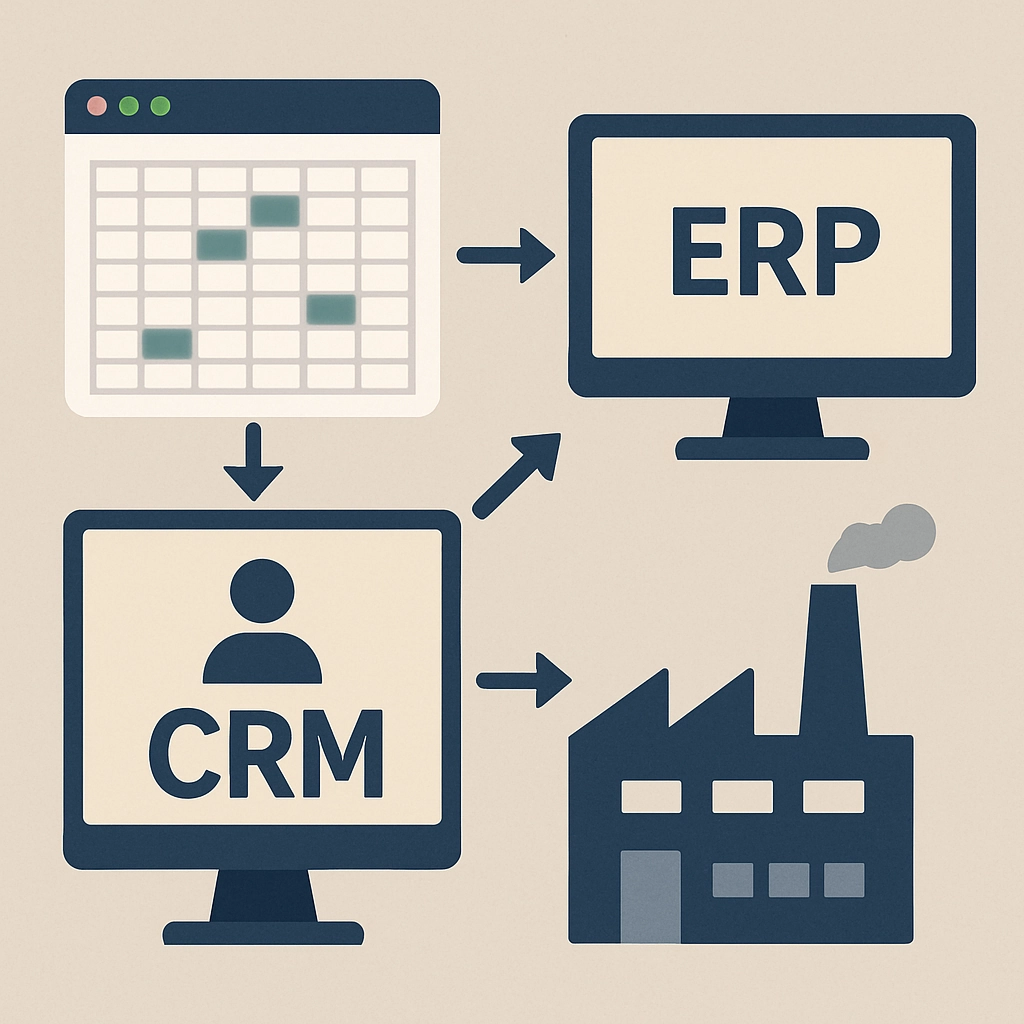
- A sales opportunity and quotation are created in CRM.
- Once the quotation is approved, a sales order is created automatically in ERP.
- Warehouse and production handle the order in ERP, and shipment information is written back to CRM.
- Collections are updated in ERP by finance and risk status becomes visible in CRM.
In this way, the sales team can answer questions like “Is the invoice issued?
Has the shipment gone out? What is the risk limit?” from a single screen.
3. Critical Integration Points for Bursa Field Teams
-
Stock visibility: Field reps should see real-time stock levels inside the CRM.
-
Prices and discounts: Price lists and special agreements from ERP
must be reflected in CRM.
-
Collection status: Overdue receivables and risk limits should display
as warnings on the sales screen.
4. Reporting: A Single Management Dashboard for Bursa
Instead of scattered reports, build a consolidated management dashboard:
- Sales volume and visit performance by region and dealer (CRM data).
- Stock turnover, critical items and return rates (ERP data).
- Overdue receivables, limit breaches and collection speed (ERP data).
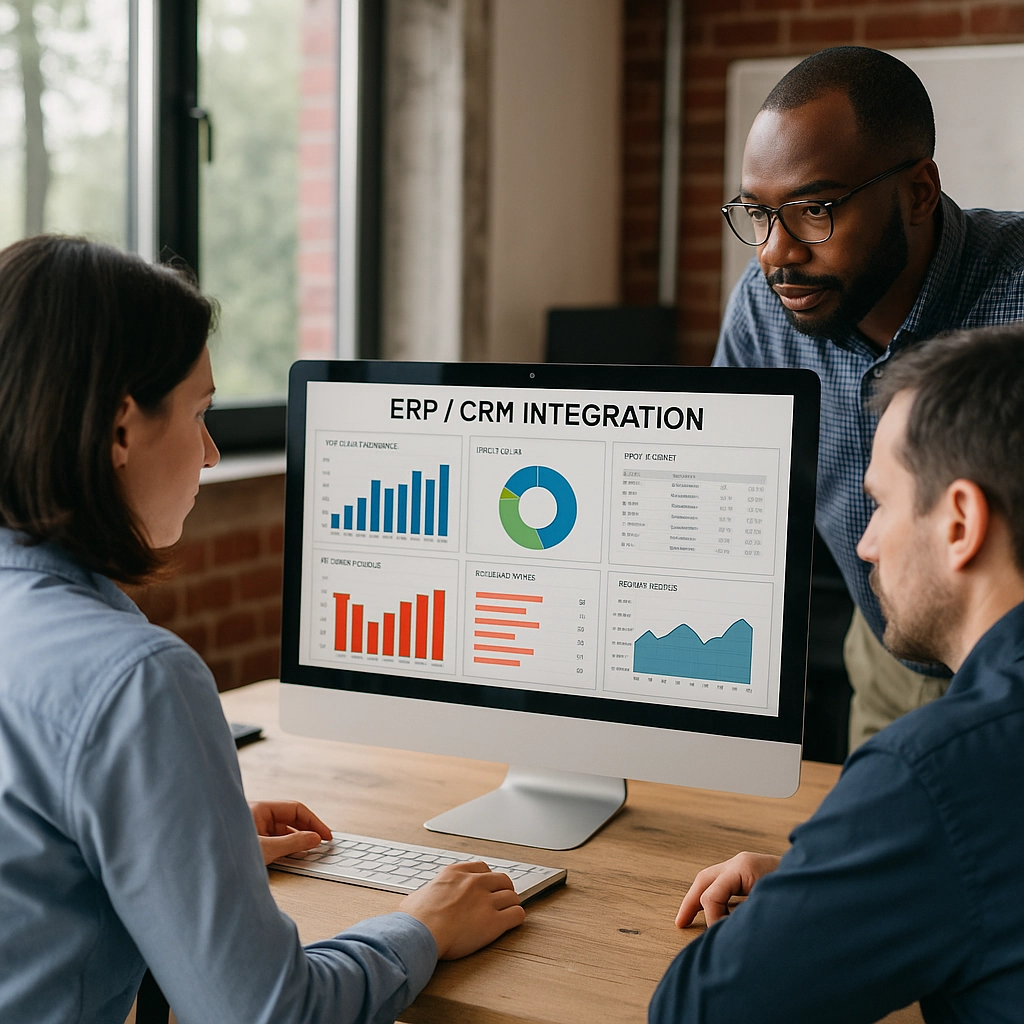
Combining these metrics in a single dashboard gives Bursa management an
instant heartbeat view of the business.
5. Integration Architecture and Security
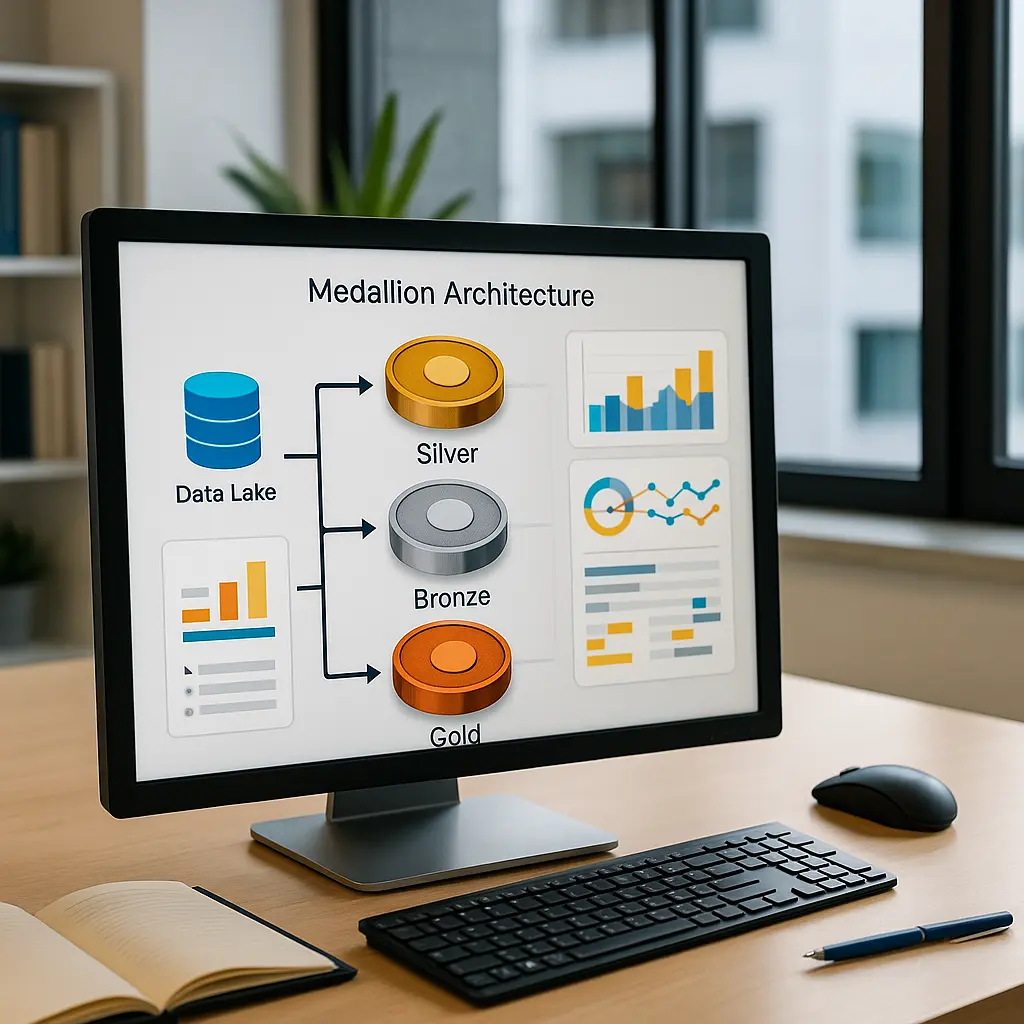
The technical architecture is just as important as the process design:
- Prefer API-based, fully logged integrations.
-
Set data sync frequency according to business need (near real-time or periodic batches).
-
Align role- and permission-based access controls across CRM and ERP consistently.
Conclusion: A Competitive Advantage for Bursa Companies
Companies that connect CRM and ERP bring sales, warehouse and finance onto the same data,
allowing them to decide faster and improve customer experience.
In an industrial region like Bursa, this integration is a tangible competitive edge.
If you are planning integration between your CRM and ERP systems, we can map
your current setup together and design a practical integration roadmap.